


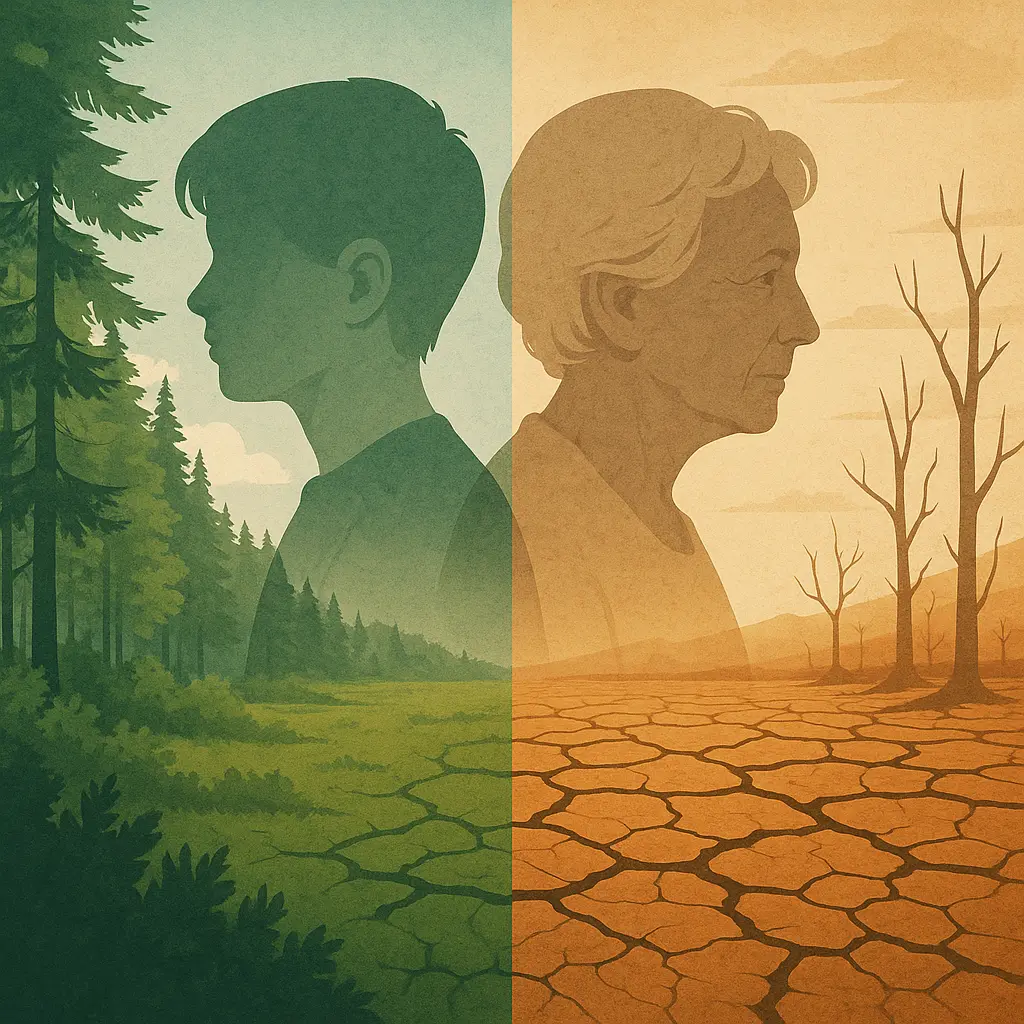
Eco-anxiety isn’t just worry; it’s chronic fear, helplessness, or grief in the face of the climate crisis. But the way a Gen Z activist copes is wildly different from a Baby Boomer looking back. Nearly every generation feels the emotional weight of a changing planet.
Eco-anxiety is the fear and worry about the future of the planet. It can significantly shape mood, sleep, focus, and daily life. Support, coping skills, and collective action can help you feel steady and hopeful.
The Generational Divide in Climate Anxiety
How we express and cope with climate anxiety differs by generational context, shaped by childhood influences, media exposure, values, and life stage. Understanding these differences helps mental health professionals, communicators, and activists support people where they are.
1. Baby Boomers: Nostalgia and Legacy
| Category | Description |
| Common Experiences | Climate grief for vanishing natural landscapes; Guilt over past consumption or denial; Protective concern for younger generations; Difficulty adapting to new environmental norms. |
| Emotional Tone | Reflection, generational guilt, quiet worry. |
| Psych Insight | Boomers respond well to storytelling that honors their environmental memory while inviting them to serve as mentors or advocates in today’s climate narrative. |
2. Gen X: Disillusioned but Determined
| Category | Description |
| Common Experiences | Frustration with stalled policy and performative greenwashing; Professional pressure and personal eco-fatigue; Serving as a translator between old and new climate worlds. |
| Emotional Tone | Civic fatigue, skepticism, practical resolve. |
| Psych Insight | Gen X values realistic, actionable strategies. Avoid alarmism. Opt for transparency and results-driven climate messaging. |
3. Millennials: Guilt and Overwhelm
| Category | Description |
| Common Experiences | Climate anxiety symptoms include lifestyle guilt (e.g., flying or having kids); Conflict between personal values and systemic barriers; Emotional fatigue from being climate-conscious all the time. |
| Emotional Tone | Guilt, overload, burnout, hope fatigue. |
| Psych Insight | Millennials benefit from community-based support and the normalization of imperfection. Empower them to take consistent but compassionate action. |
4. Gen Z: Burnout, Doomscrolling, and Climate Coping
| Category | Description |
| Common Experiences | Constant exposure to climate crises online; Activist burnout and climate dread; Anger toward perceived inaction from institutions; High sensitivity to climate injustice. |
| Emotional Tone | Urgency, outrage, despair, grief. |
| Psych Insight | Gen Z needs mental health support, safe emotional spaces, and clear action paths. Avoid denialism and tokenism. Focus on agency. |
5. Gen Alpha: Growing Up in the Climate Crisis
| Category | Description |
| Common Experiences | Absorbing eco-anxiety symptoms from adults; Learning climate themes early via school and media; Emerging empathy and eco-curiosity; Fear and confusion from overheard conversations. |
| Emotional Tone | Absorbed anxiety, wonder, need for safety. |
| Psych Insight | Gen Alpha needs hope-centered education that focuses on nature, imagination, and climate coping through curiosity, not fear. |
What Is Eco-Anxiety?
Eco-anxiety is not a disorder; it is a rational emotional response to an existential threat. Common symptoms include:
- Constant worry about the future.
- Guilt over unsustainable habits.
- Grief for lost ecosystems or species.
- Burnout from trying to “do enough.”
- Emotional numbness or avoidance.
Climate anxiety coping is possible through two paths:
- Personal Tools: Mindfulness, boundaries, and collective care.
- Structural Support: Policy change and accessible mental health care.
Why Understanding Generational Climate Grief Matters
By tailoring our approach to climate grief by generation, we can:
- Help therapists offer age-appropriate care.
- Enable communicators to use tone and formats that resonate.
- Bridge intergenerational divides in activism.
- Build empathy inside families and communities.
Your Turn
Which generation’s eco-anxiety resonated with you most?
What helps you cope with climate fear, or what makes it worse?
Share your thoughts in the comments.
Frequently Asked Questions (FAQs)
Q: Is eco-anxiety a formal mental health disorder?
A: No, eco-anxiety is not classified as a disorder in major psychiatric manuals (like the DSM-5). It is generally considered a rational and understandable emotional response—such as fear, grief, or worry—to the scientifically verified and existential threat of the climate crisis.
Q: What is “doomscrolling” and how does it relate to climate anxiety?
A: Doomscrolling is the tendency to consume a large quantity of negative, often climate-related, news online, typically leading to distress and feelings of hopelessness. It exacerbates climate anxiety by maintaining a constant state of fear and urgency without providing clear paths to agency or action.
Q: Can eco-anxiety affect my physical health?
A: Yes. While it’s an emotional state, chronic stress and anxiety can manifest physically. Symptoms may include sleep disturbances, difficulty concentrating, fatigue, headaches, or an overall feeling of being run down due to constant worry and mental overload.
Q: What’s the best first step for coping with eco-anxiety?
A: The best first step is often to normalize the feeling (recognize that your fear is rational) and then shift from passive worry to compassionate action. This could mean setting media boundaries, joining a local group, or focusing on one small, consistent daily habit rather than attempting to solve the entire global crisis alone.
Q: How can I talk to a child (Gen Alpha) about climate change without causing fear?
A: Focus on hope, curiosity, and nature connection. Instead of focusing on disasters, emphasize the amazing resilience of the planet, the ingenuity of solutions, and how they can be a “nature defender.” Frame actions as positive ways to care for the earth, not desperate attempts to save it from catastrophe.
Related Reading
Read Part 2: Climate Grief by Generation for deeper insights into emotional responses and healing frameworks.