

Why the World Needs This Day More Than Ever
Every October 10, the world pauses to reflect. This day is not defined by borders or language. It is united by one truth: mental health matters for everyone.
As we mark World Mental Health Day 2025, global conversations are shifting from silence to action. Conflicts, climate disasters, and post-pandemic challenges continue to reshape communities. The official World Health Organization (WHO) theme for 2025 is “Access to Services: Mental Health in Catastrophes and Emergencies.” It reminds us that healing is as essential as survival.
This theme calls for collective action. It urges us to end stigma and build a future where mental well-being is a universal right.
A Brief History of World Mental Health Day
World Mental Health Day began in 1992, founded by the World Federation for Mental Health. Its purpose was to raise awareness and encourage open discussion about mental illness.
Since then, it has become a global movement that promotes education, advocacy, and healing. Each year, WHO introduces a theme to focus attention on specific mental health challenges. The 2025 theme addresses how to protect and support mental health during emergencies.
The Global Landscape of Mental Health in 2025
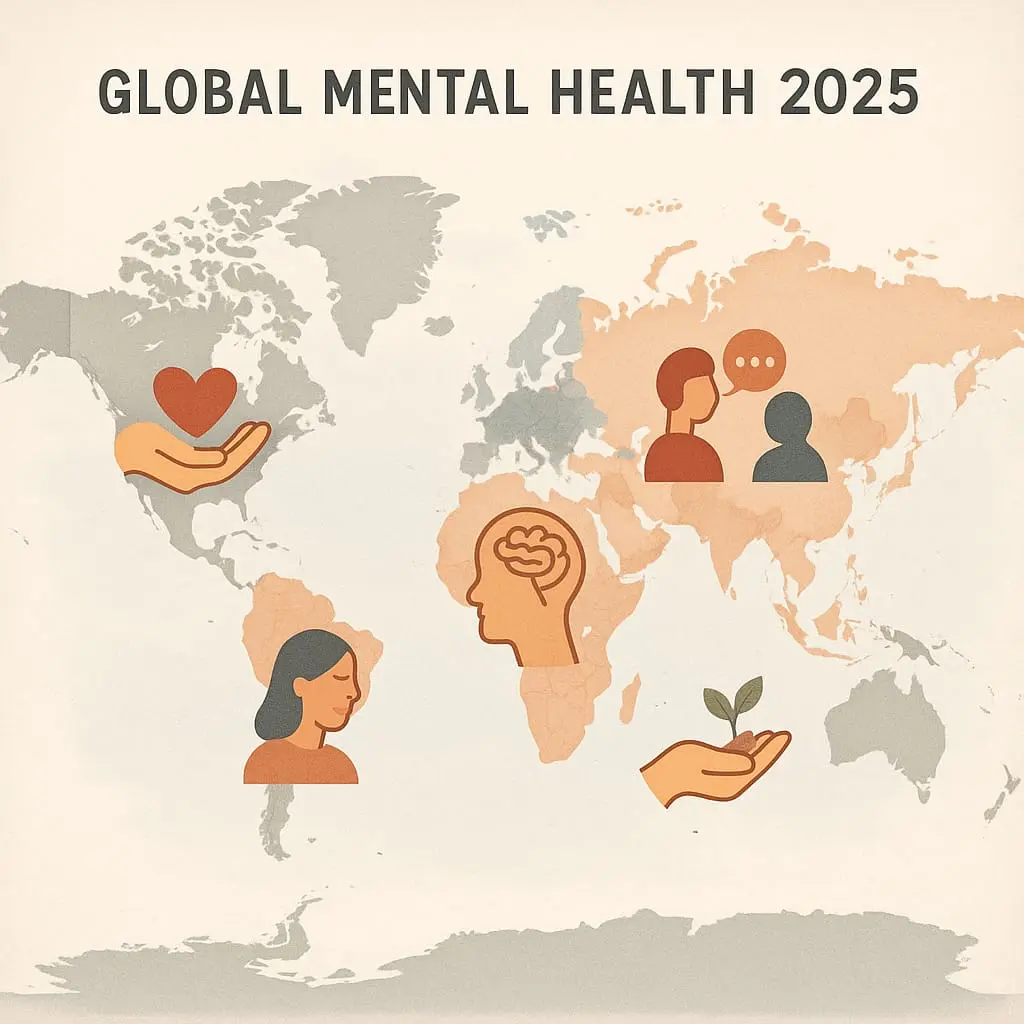
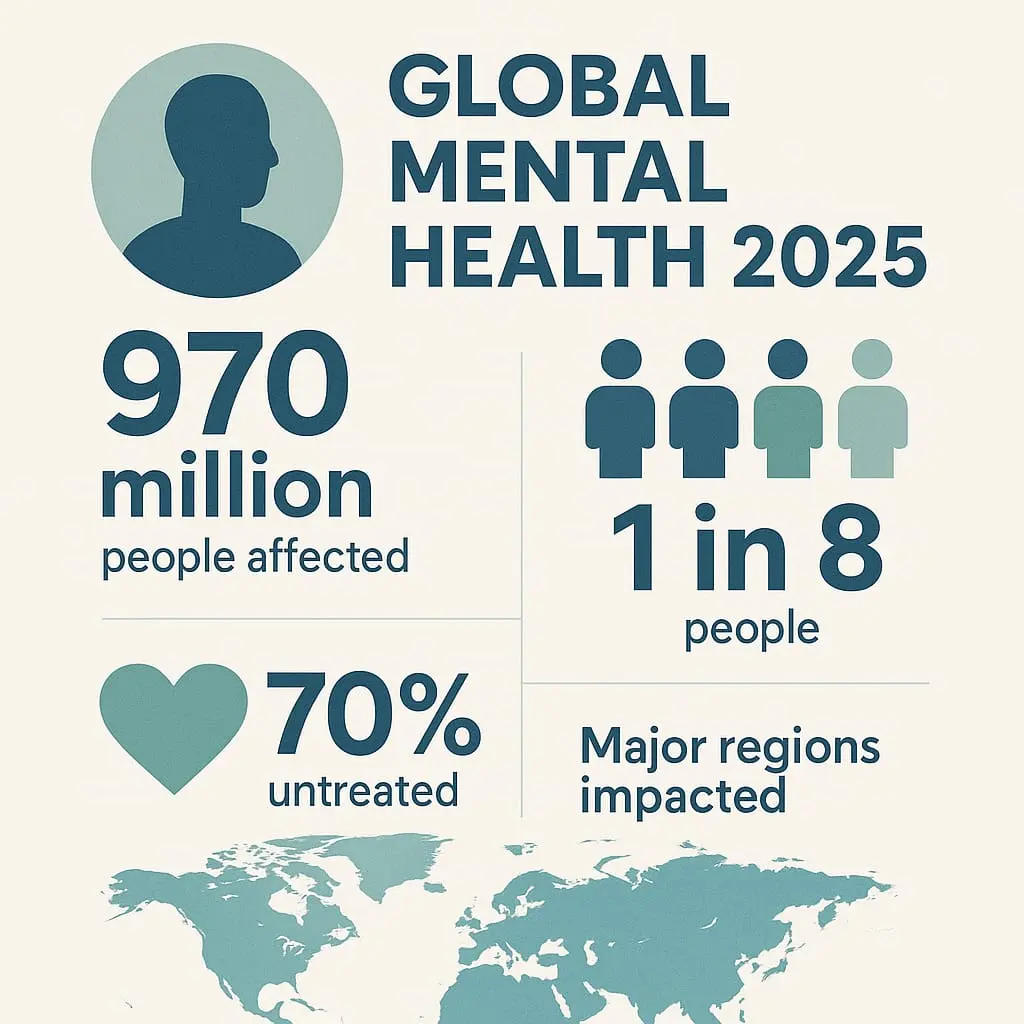
Mental health is a global issue affecting every community. More than 970 million people worldwide live with a mental disorder, according to WHO. Depression and anxiety are the most common conditions. Yet more than 70% of those affected receive no treatment.
The global landscape shows clear challenges:
- 🌎 Conflict zones🌎 : One in five people in areas affected by conflict live with a mental health condition. Many experience trauma, anxiety, or PTSD.
- 🌪️ Disasters and displacement🌪️ : Natural disasters dramatically increase rates of depression and stress. Communities lose their sense of safety and belonging.
- 🧒 Youth mental health🧒 : Young people face record levels of anxiety and burnout. Digital overload, climate fears, and social pressure add to their struggle.
This year’s focus calls on governments, organizations, and individuals to close the treatment gap, especially for those in crises and humanitarian emergencies.
This Year’s Theme Explained: “Access to Services in Catastrophes and Emergencies”
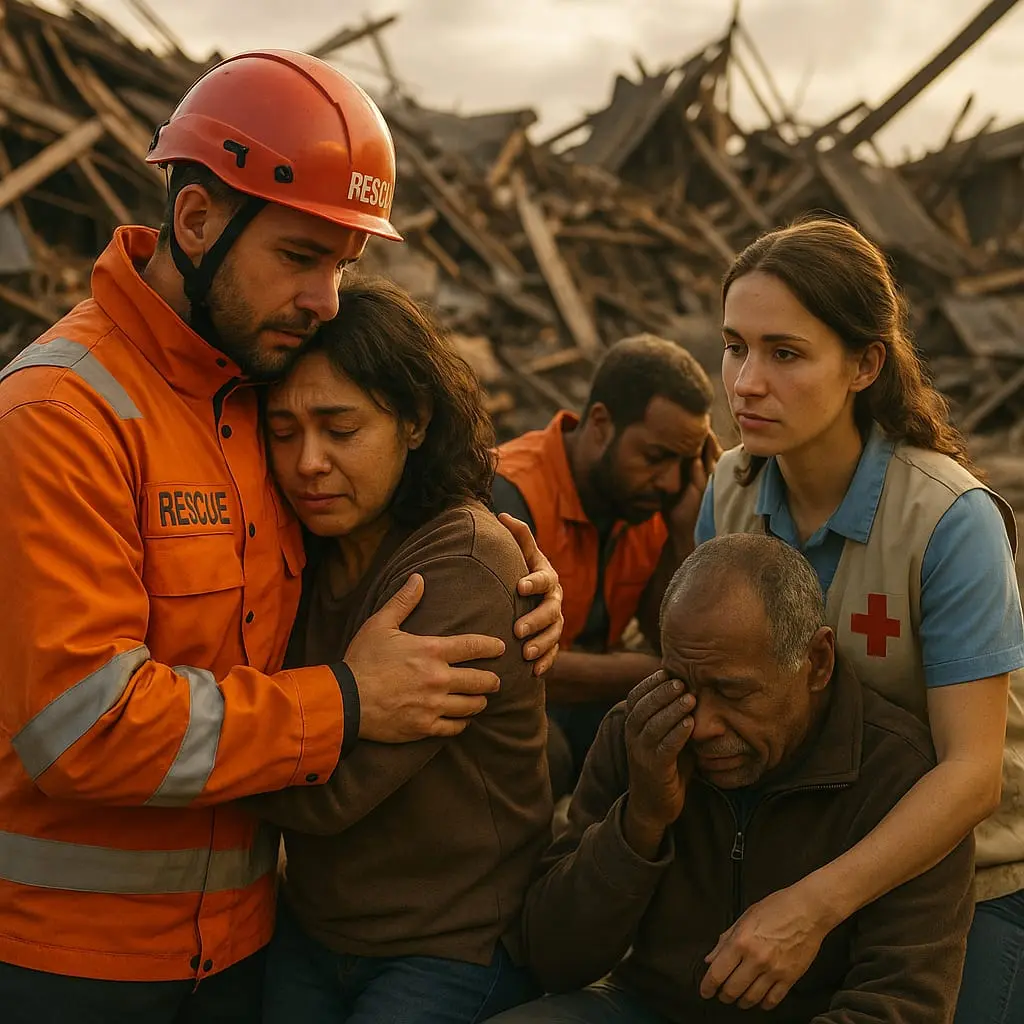
Emergencies test the strength of societies. During floods, wars, or pandemics, mental health often becomes invisible.
The Aim
To make sure mental health and psychosocial support (MHPSS) are included in every emergency response plan from the start.
Global Efforts and Advocacy
- Governments are integrating mental health into disaster management and allocating funds for trauma care.
- NGOs are training first responders to identify distress and provide immediate emotional support.
- Global networks are expanding teletherapy and online counseling to reach those who cannot access traditional care.
As WHO Director-General Dr. Tedros Adhanom Ghebreyesus said,
“There is no health without mental health, especially in times of crisis.”

Collective Healing: How Countries Are Taking Action
Collective healing means communities work together for recovery. Mental well-being is everyone’s responsibility.
- United Kingdom: The NHS and Mind run the Blue Light Together program. It supports emergency workers through trauma-response training and counseling.
- United States: The Healing in Chaos campaign promotes resilience for veterans, healthcare workers, and displaced families through digital therapy and peer programs.
- Japan: Local centers include mindfulness training in disaster preparedness drills, treating emotional safety as part of public safety.
- Nigeria and Sub-Saharan Africa: Grassroots organizations train mental health volunteers to assist communities in flood and conflict zones where formal care is limited.
Global Mental Health Snapshot
- 1 in 8 people worldwide live with a mental disorder.
- Mental illness accounts for 14% of the global disease burden.
- Depression is a leading cause of disability.
- Suicide ranks among the top 10 causes of death for people aged 15–29.
- In conflict areas, only 3 trained psychologists exist for every 100,000 displaced people.
These numbers show why access to mental health care is essential for global recovery.
The Future of Mental Well-Being: Innovation, Policy, and Inclusivity
The future of mental health depends on technology, inclusion, and strong policy change. Here’s how that future is being built:
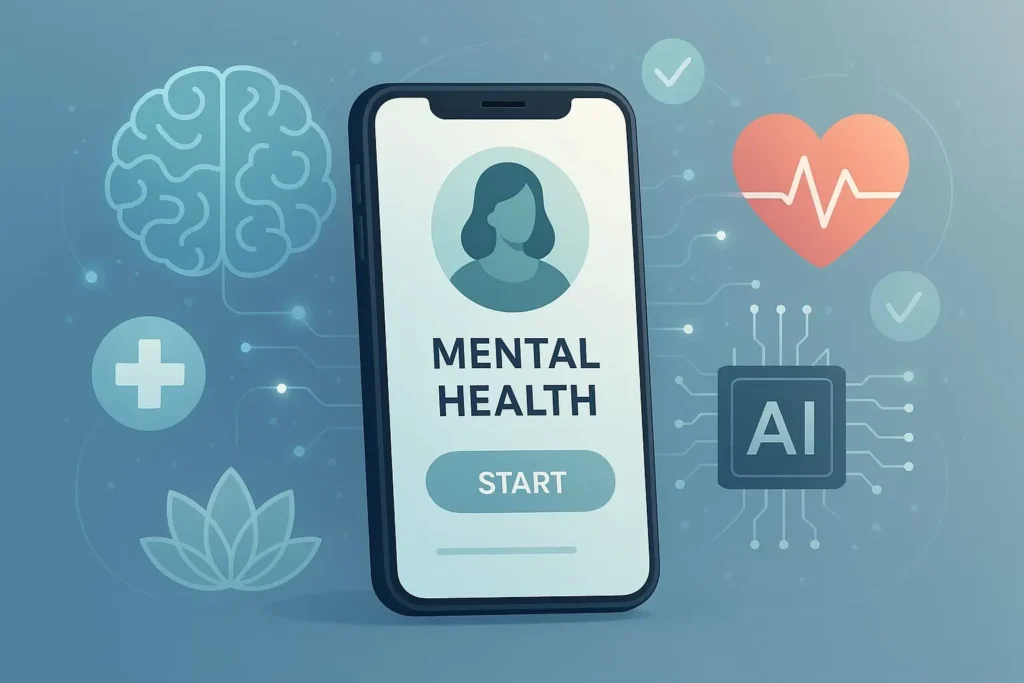
- Technological Advancements: Digital therapy apps, AI-powered counseling, and virtual-reality interventions make care easier to reach and more personal.
- Integrated Healthcare Models: Health systems are merging mental and physical care. This ensures treatment for the whole person, not just symptoms.
- Corporate Wellness Evolution: Businesses see mental well-being as vital to success. They invest in wellness programs and flexible work policies.
- Youth-Driven Movements: Gen Z is breaking stigma through advocacy and education. Schools are introducing emotional literacy as part of daily learning.
- Community-Centered Healing: Storytelling, art, and peer support strengthen social bonds and promote collective recovery.
- Focus on Prevention: Early intervention programs teach coping skills and resilience before crises strike.
Policy Shifts and Sustainable Goals
The future of mental health requires more than innovation. It demands political commitment. Governments must align with the United Nations Sustainable Development Goal (SDG) 3.4, which seeks to promote mental health and well-being globally.
This calls for:
- Increased national budgets for mental health services.
- Integration of mental health into education, housing, and labor policies.
- International partnerships to share best practices and resources.
- Stronger data collection to guide effective policy and funding.
Achieving this vision will create a world where mental well-being is protected through both compassion and policy.
How You Can Take Action This World Mental Health Day
World Mental Health Day belongs to everyone. Each action matters.
- 💬 Speak Up💬: Share your experience or listen to others. Talking openly helps end stigma.
- 💻 Join or Host an Event💻: Take part in global webinars and discussions by WHO or the Mental Health Foundation.
- ❤️ Support Crisis Charities❤️ : Donate or volunteer with the Red Cross, UNICEF, or Médecins Sans Frontières. They include mental health care in emergency aid.
- 📣 Advocate for Funding📣 : Push for mental health investment in schools, workplaces, and national disaster planning.
- 🧘 Care for Your Own Mind🧘 : Practice mindfulness, journaling, and connection. Looking after yourself helps you support others.
The Heart of MindCovez: A Call to Global Compassion
At MindCovez, we believe mental health is a human right. Every person deserves care, understanding, and hope.
This World Mental Health Day 2025, join us in building a world guided by empathy and accessibility. Together, we can create a future where every mind is valued, supported, and free to heal.

Frequently Asked Questions:
Q1. What is the theme for World Mental Health Day 2025?
The official WHO theme for World Mental Health Day 2025 is “Access to Services: Mental Health in Catastrophes and Emergencies.” It focuses on providing psychological and emotional support in crisis situations.
Q2. Why is World Mental Health Day celebrated on October 10?
It is observed annually on October 10 to raise global awareness about mental health issues and to encourage collective efforts toward better mental well-being.
Q3. How can I support mental health awareness globally?
You can participate in campaigns, share verified information, volunteer for community programs, or donate to organizations that promote mental health access and education.
Q4. What are the biggest global challenges in mental health today?
Stigma, lack of funding, limited access to professionals, and rising rates of anxiety and depression, especially in crisis zones, remain major global challenges.
Q5. What role does technology play in improving mental health?
Technology enables easier access to therapy through apps, AI-driven mental health support, and digital awareness campaigns that reduce stigma.
Q6. How is World Mental Health Day 2025 linked to the UN Sustainable Development Goals?
It aligns with SDG 3.4, which focuses on promoting mental health and well-being as part of ensuring healthy lives for all.
Q7. What can individuals do to take care of their mental health daily?
Simple acts like practicing mindfulness, maintaining social connections, journaling, and seeking help when needed can significantly improve mental health.